Optimizing Efficiency: Residential Air Conditioning Maintenance
Exploring the realm of residential air conditioning maintenance, this introduction delves into the significance of regular upkeep for these systems. From the crucial components to the DIY tips, this overview will provide you with essential insights to keep your home cool and energy-efficient.
As we navigate through the different aspects of maintenance, you'll gain a comprehensive understanding of how to ensure your air conditioning system runs smoothly and effectively.
Importance of Residential Air Conditioning Maintenance
Regular maintenance of residential air conditioning systems is crucial to ensure optimal performance and longevity. By conducting routine maintenance tasks, homeowners can prevent potential issues, improve indoor air quality, and extend the lifespan of their AC units.Neglecting maintenance tasks can lead to costly repairs and decreased efficiency of the air conditioning system.
Dirty filters, clogged coils, and low refrigerant levels are common issues that can arise from lack of maintenance, resulting in poor cooling performance and higher energy consumption.Well-maintained systems not only operate more efficiently but also help in saving on energy costs.
By keeping filters clean, coils free of debris, and refrigerant levels at the appropriate levels, homeowners can ensure that their air conditioning system runs smoothly and effectively, reducing energy consumption and expenses in the long run.
Examples of Energy Cost Savings
- Regularly cleaning or replacing air filters can improve airflow and reduce energy consumption by up to 15%.
- Annual maintenance checks can help identify and fix small issues before they escalate into major problems, saving homeowners from costly repairs.
- Ensuring proper insulation and sealing of ductwork can prevent air leaks and improve overall efficiency, leading to significant energy savings.
Components of a Residential Air Conditioning System
A typical residential air conditioning system consists of several key components that work together to cool a home efficiently.
1. Evaporator Coil
The evaporator coil is located inside the indoor unit of the air conditioning system. It is responsible for absorbing heat from the air inside your home.
2. Condenser Unit
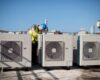
The condenser unit is located outside the home and works in conjunction with the evaporator coil. It releases the heat absorbed by the evaporator coil to the outside air.
3. Refrigerant
Refrigerant is a substance that flows between the evaporator coil and the condenser unit, absorbing and releasing heat to facilitate the cooling process.
4. Compressor
The compressor is responsible for compressing the refrigerant, increasing its temperature and pressure before it moves to the condenser unit.
5. Thermostat
The thermostat is the control center of the air conditioning system, allowing you to set the desired temperature and regulate the cooling process.
6. Air Ducts
Air ducts are used to distribute the cooled air throughout the home, ensuring that every room receives adequate cooling.
7. Air Filter
The air filter helps to keep the air in your home clean by trapping dust, dirt, and other particles. A clean air filter is essential for maintaining good indoor air quality and efficient airflow.
Frequency and Timing of Maintenance Tasks
Regular maintenance is key to keeping your residential air conditioning system running efficiently and prolonging its lifespan. Here, we will Artikel the recommended frequency for different maintenance tasks, the best times of the year to perform specific maintenance tasks, and provide a seasonal maintenance schedule for optimal system performance.
Filter Replacement
- It is recommended to replace the air filter in your air conditioning system every 1-3 months, depending on factors such as the type of filter, indoor air quality, and usage.
- The best times to check and replace the filter are at the beginning of each season, as well as monthly during peak usage times.
Coil Cleaning
- The evaporator and condenser coils should be cleaned at least once a year to maintain efficiency and prevent issues such as reduced cooling capacity.
- The best time to clean the coils is in the spring before the cooling season begins, to ensure optimal performance during the hotter months.
Seasonal Maintenance Schedule
| Season | Maintenance Tasks |
|---|---|
| Spring | Check and clean coils, replace air filter, inspect ductwork |
| Summer | Monitor system performance, clean outdoor unit, check refrigerant levels |
| Fall | Inspect and clean ductwork, test thermostat, check insulation |
| Winter | Change air filter, check for leaks, inspect electrical components |
DIY Maintenance Tips for Homeowners
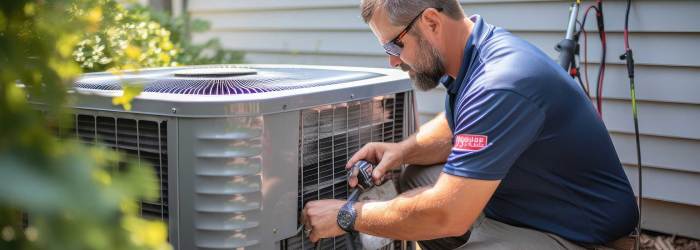
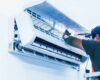
Regular maintenance of your residential air conditioning system is crucial to ensure optimal performance and longevity. While some tasks are best left to professionals, there are several DIY maintenance tips that homeowners can perform to keep their air conditioning system running smoothly.
Cleaning or Replacing Filters
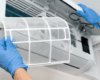
One of the most important maintenance tasks for homeowners is cleaning or replacing air filters. Clogged or dirty filters can lead to reduced airflow and decreased efficiency. Here's a step-by-step guide on how to clean or replace your air filters:
- Turn off the power to the unit to prevent any accidents.
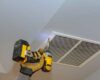
- Locate the air filter in your system, which is usually found behind the return air grille or within the air handler unit.
- Remove the filter and inspect it for any dirt or debris. If it's a reusable filter, clean it with water and mild detergent. If it's a disposable filter, replace it with a new one.
- Make sure to reinstall the filter in the correct orientation and securely close the access panel.
- Turn the power back on and monitor the performance of your air conditioning system.
Safety Precautions and Professional Assistance
While DIY maintenance tasks are beneficial, it's essential to prioritize safety and know when to call a professional for assistance. Here are some safety precautions to keep in mind:
- Always turn off the power to the unit before performing any maintenance tasks to avoid electrical hazards.
- Use proper protective gear, such as gloves and safety glasses, when handling cleaning agents or sharp tools.
- If you encounter any complex issues or if you're unsure about a task, it's best to contact a licensed HVAC technician for professional assistance.
Benefits of Professional Maintenance Services
When it comes to maintaining your residential air conditioning system, hiring a professional service can offer numerous advantages compared to attempting DIY maintenance.
Extending Lifespan of the System
Professional maintenance services can help extend the lifespan of your air conditioning system by ensuring that all components are properly cleaned, inspected, and serviced. This proactive approach can prevent major breakdowns and costly repairs in the long run.
Comparing DIY vs Professional Maintenance
- Professional technicians have the expertise and experience to identify potential issues early on and address them before they escalate, whereas DIY maintenance may overlook underlying problems.
- Professional maintenance services often include thorough cleaning of components, calibration of settings, and checking for proper airflow, which may not be as comprehensive in a DIY approach.
- DIY maintenance can sometimes lead to accidental damage or incorrect adjustments, which can cause more harm than good to the system, while professionals follow industry best practices to ensure optimal performance.
Conclusion
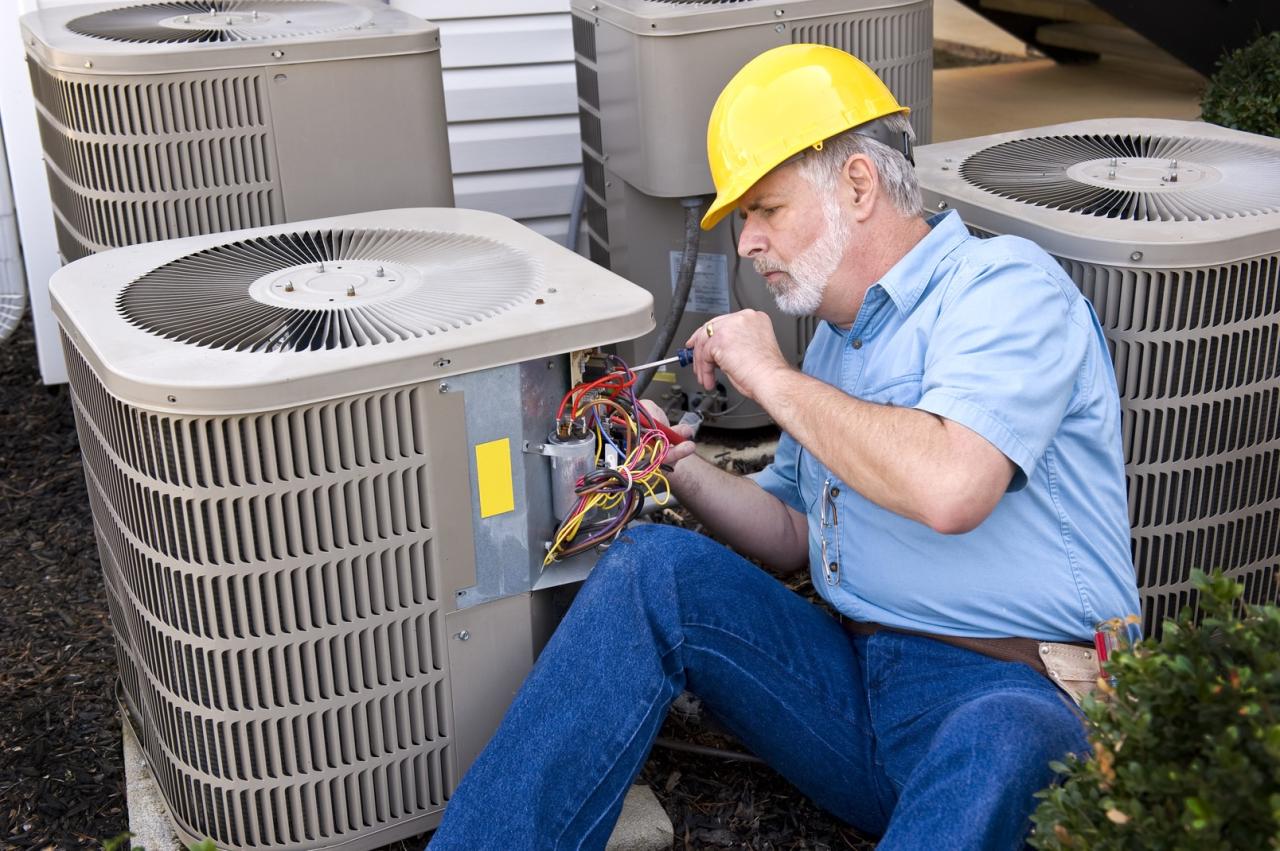
In conclusion, maintaining your residential air conditioning system not only saves you money but also ensures a comfortable living environment. By following the guidelines Artikeld here, you can enjoy a cool and efficient home all year round.
FAQ Explained
How often should I replace the filters in my air conditioning system?
Filters should typically be replaced every 1-3 months, depending on usage and air quality.
Is it necessary to clean the coils of my AC unit?
Yes, dirty coils can reduce the efficiency of your system. It's recommended to clean them annually.
When should I call a professional for maintenance instead of doing it myself?
If you encounter complex issues or don't feel confident in performing maintenance tasks, it's best to call a professional.
Can regular maintenance really help in reducing energy costs?
Absolutely, well-maintained systems operate more efficiently, leading to lower energy consumption and reduced costs.