Optimizing Industrial Air Conditioning Service for Efficiency and Comfort
In today's fast-paced industrial landscape, the importance of industrial air conditioning service cannot be overstated. From enhancing productivity to ensuring employee comfort, these systems play a crucial role in maintaining optimal working conditions. Let's delve into the world of industrial air conditioning service and explore the key aspects that make it essential for businesses across various industries.
Importance of Industrial Air Conditioning Service
Regular maintenance of industrial air conditioning systems is crucial to ensure optimal performance and longevity. Without proper servicing, these systems may experience breakdowns, leading to costly repairs and downtime.Efficient industrial air conditioning plays a vital role in enhancing productivity within industrial settings.
Maintaining a comfortable working environment for employees can boost morale, reduce absenteeism, and improve overall efficiency. Workers are more likely to perform at their best when they are not distracted by extreme temperatures.Various industries heavily rely on industrial air conditioning services to maintain ideal working conditions.
For example, manufacturing plants, data centers, hospitals, and research facilities require precise temperature control to safeguard equipment and ensure the safety of employees. Without reliable air conditioning, these industries could face significant disruptions to their operations.
Common Issues and Solutions
Industrial air conditioning systems often face common problems that can impact their efficiency and performance. Addressing these issues promptly with the right solutions is crucial to ensure optimal functioning and prevent costly breakdowns.
Clogged Air Filters
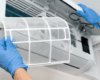
One of the most common issues in industrial air conditioning units is clogged air filters. When filters get dirty and blocked, airflow is restricted, causing the system to work harder to cool the space. This can lead to reduced efficiency and increased energy consumption.
- Regularly check and clean or replace air filters to ensure proper airflow.
- Implement a maintenance schedule to prevent filter clogs and maintain system efficiency.
Refrigerant Leaks
Refrigerant leaks can also occur in industrial air conditioning systems, leading to inadequate cooling and potential damage to the compressor. Identifying and repairing leaks promptly is essential to avoid further system malfunctions.
- Regularly inspect the system for leaks and repair them immediately.
- Ensure proper refrigerant levels are maintained to prevent leaks and maintain cooling efficiency.
Thermostat Issues
Incorrect thermostat settings or malfunctioning thermostats can result in temperature fluctuations and inefficient cooling. Addressing thermostat issues promptly is necessary to maintain a comfortable working environment.
- Calibrate thermostats regularly to ensure accurate temperature control.
- Upgrade to programmable thermostats for better control and energy efficiency.
Industrial Air Conditioning Installation
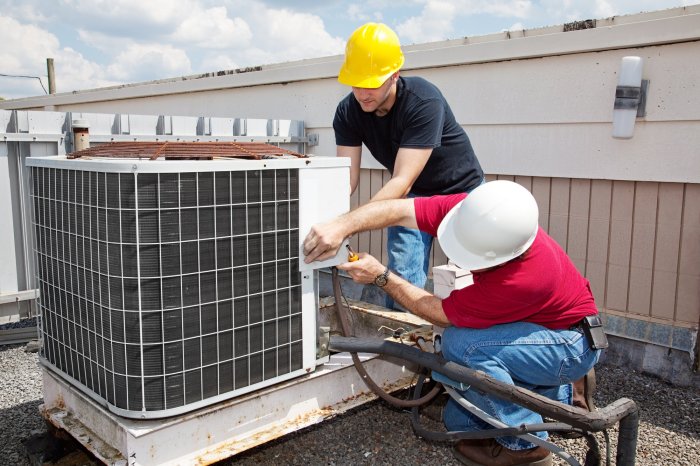
When it comes to installing an industrial air conditioning system, there are key steps that need to be followed to ensure optimal performance and efficiency. Whether it's a centralized or ductless system, the installation process plays a crucial role in the overall functionality of the unit.
Factors such as facility size, layout, and specific cooling requirements must be taken into consideration when choosing the right industrial air conditioning unit.
Centralized vs. Ductless Installation Process
- Centralized System: Involves the installation of a single unit that cools the entire facility through a network of ducts. This process requires careful planning to ensure proper airflow and distribution throughout the building.
- Ductless System: Consists of multiple indoor units connected to an outdoor compressor. The installation is typically easier and quicker compared to centralized systems, making it a more flexible option for certain industrial spaces.
Factors to Consider for Choosing the Right Unit
- Facility Size: The size of the industrial space will determine the cooling capacity needed for the air conditioning unit.
- Energy Efficiency: Look for units that are energy-efficient to reduce operating costs and environmental impact.
- Installation Costs: Consider the upfront costs of installation and maintenance when choosing between centralized and ductless systems.
- Specific Cooling Requirements: Different industrial facilities may have unique cooling needs, such as temperature control for sensitive equipment or products.
- Long-Term Maintenance: Choose a unit that is easy to maintain and has a reliable service network for any repairs or upkeep.
Energy Efficiency and Cost Savings
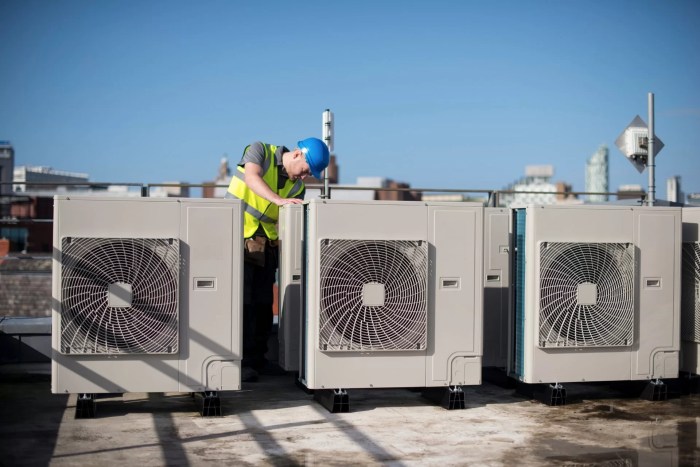
Industrial air conditioning services play a crucial role in reducing energy consumption and achieving cost savings for businesses. By optimizing energy efficiency in industrial air conditioning systems, companies can not only lower their utility bills but also contribute to a more sustainable environment.
Optimizing Energy Efficiency
- Regular Maintenance: Schedule routine maintenance checks to ensure that the system is running efficiently.
- Upgrading to Energy-Efficient Equipment: Consider investing in energy-efficient HVAC units and controls to reduce energy consumption.
- Proper Insulation: Ensure that the facility is properly insulated to prevent energy loss.
- Utilize Programmable Thermostats: Use programmable thermostats to adjust temperature settings based on occupancy and operating hours.
Cost-Effective Upgrades
- LED Lighting: Replace traditional lighting with LED fixtures to reduce energy usage and lower cooling loads.
- Variable Frequency Drives: Install variable frequency drives on motors to optimize energy consumption based on demand.
- Ductwork Sealing: Seal leaks in ductwork to prevent air loss and improve overall system efficiency.
- Smart HVAC Controls: Implement smart HVAC controls to monitor and adjust system settings for maximum efficiency.
Last Recap
As we wrap up our discussion on industrial air conditioning service, it becomes evident that regular maintenance, timely repairs, and efficient installations are the pillars of a successful system. By prioritizing energy efficiency and cost savings, businesses can not only improve their bottom line but also create a conducive environment for their workforce.
Embrace the power of industrial air conditioning service and witness the transformative impact it can have on your operations.
Quick FAQs
How often should industrial air conditioning systems be maintained?
It is recommended to have industrial air conditioning systems serviced at least twice a year to ensure optimal performance and longevity.
What are some common signs that indicate a need for industrial air conditioning repairs?
Unusual noises, inconsistent cooling, and increased energy bills are common indicators that your industrial air conditioning system may require repairs.
Are there government incentives available for businesses that invest in energy-efficient industrial air conditioning systems?
Yes, there are various government programs and incentives aimed at promoting energy efficiency, such as tax credits and rebates, for businesses that upgrade to energy-efficient systems.