Why Regular AC Service and Maintenance are Essential for Longevity
Exploring the world of AC service and maintenance unveils a realm where the care of your system plays a pivotal role in its lifespan. Dive into this informative journey to uncover the significance of routine maintenance in enhancing efficiency and reducing costs.
As we delve deeper, we will explore the key components of maintenance, frequency guidelines, signs indicating maintenance is needed, and much more.
Importance of Regular AC Service and Maintenance
Regular AC service and maintenance are crucial for the longevity of the system. By scheduling routine maintenance, you can ensure that your AC unit operates efficiently and effectively for years to come. Neglecting maintenance can lead to a decline in performance and costly repairs down the line.
Benefits of Routine Maintenance
- Improved Energy Efficiency: Regular maintenance helps keep your AC system running at peak efficiency, reducing energy consumption and lowering utility bills.
- Cost Savings: By identifying and fixing minor issues early on, you can prevent major breakdowns that require expensive repairs.
- Extended Lifespan: Proper maintenance can extend the lifespan of your AC unit, saving you money on premature replacements.
Consequences of Neglecting Maintenance
- Decreased Performance: Lack of maintenance can cause your AC system to work harder to cool your space, resulting in reduced performance and uneven cooling.
- Higher Repair Costs: Ignoring maintenance can lead to minor issues turning into major problems that require costly repairs or even replacement of components.
- Poor Indoor Air Quality: A neglected AC system can circulate dust, dirt, and allergens throughout your home, compromising indoor air quality and potentially impacting your health.
Components of AC Service and Maintenance
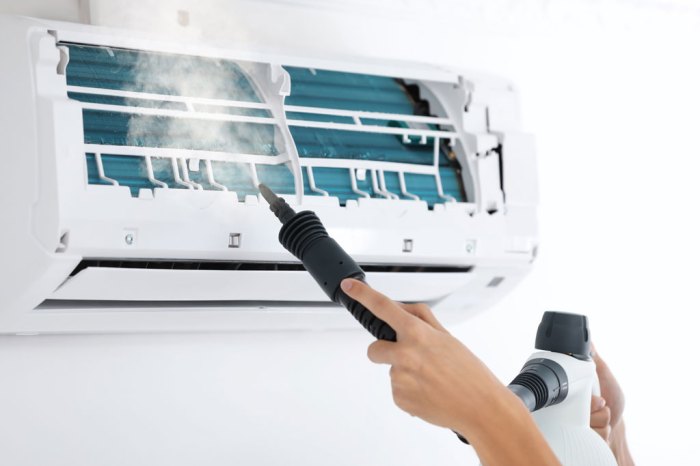
Regular AC service and maintenance involve various key components that are crucial for the optimal functioning of your air conditioning system.
Filter Replacement
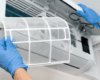
Regularly replacing the filters in your AC system is essential to ensure proper airflow and maintain good indoor air quality. Clogged filters can restrict airflow, leading to reduced efficiency and increased strain on the system.
Coil Cleaning
Cleaning the coils of your AC unit helps in removing dirt and debris that can accumulate over time. Dirty coils can hinder heat transfer, causing the system to work harder and consume more energy. Regular cleaning can improve efficiency and extend the lifespan of your AC unit.
Refrigerant Level Checks
Monitoring and maintaining the correct refrigerant levels in your AC system is crucial for its overall performance. Low refrigerant levels can lead to decreased cooling capacity and potential damage to the compressor. Regular checks ensure that your system is running efficiently and effectively.
Condensate Drain Cleaning
Cleaning the condensate drain helps prevent clogs that can lead to water leakage and moisture issues. A clogged drain can cause water damage and mold growth, compromising the air quality in your home. Regular cleaning is essential to prevent these issues.
Thermostat Calibration
Calibrating the thermostat ensures that your AC system operates at the desired temperature, providing optimal comfort and energy efficiency. An improperly calibrated thermostat can lead to temperature fluctuations and increased energy consumption. Regular calibration helps maintain a comfortable indoor environment.
Electrical Component Inspection
Inspecting the electrical components of your AC system helps identify any potential issues or malfunctions that could lead to system failure. Checking the wiring, connections, and electrical controls ensures safe and reliable operation. Regular inspections can prevent costly repairs and ensure the longevity of your AC unit.
Maintenance Documentation
Keeping detailed records of all maintenance and service tasks performed on your AC system is essential for tracking its performance and identifying any recurring issues. Maintenance documentation helps in scheduling future service appointments and ensuring that your system is well-maintained throughout its lifespan.
Frequency of AC Service and Maintenance
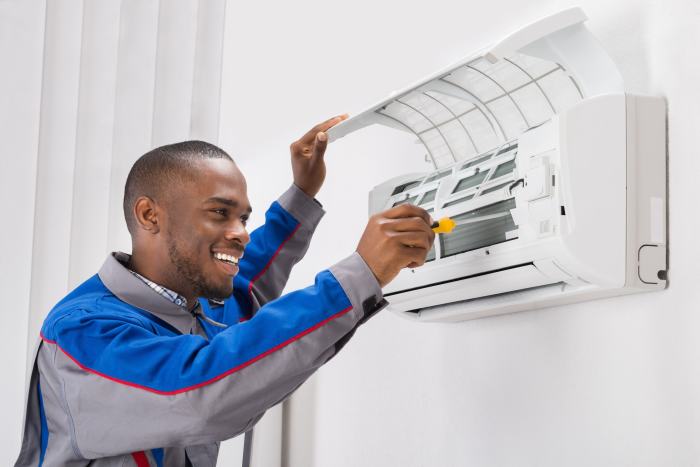
Maintaining your AC system is crucial to ensure optimal performance and longevity. Let's delve into how often AC systems should be serviced and maintained, considering the varying needs of residential units compared to commercial HVAC systems.
Residential AC Units
Residential AC units typically require maintenance at least once a year. This regular servicing helps identify and address any potential issues before they escalate, ensuring your system operates efficiently throughout the year. Factors such as filter replacements, coil cleaning, and refrigerant checks are essential tasks that should be included in routine maintenance.
Commercial HVAC Systems
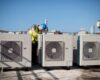
On the other hand, commercial HVAC systems, which are larger and more complex, may need more frequent maintenance. Depending on the size of the system and the level of usage, commercial units may require quarterly or bi-annual servicing to keep them running smoothly.
Regular maintenance can help prevent costly breakdowns and ensure uninterrupted operation in commercial settings.
Guidelines for Scheduling Maintenance
When it comes to scheduling routine maintenance for your AC system, consider factors such as usage, environmental conditions, and manufacturer recommendations. For residential units, an annual maintenance schedule is typically sufficient, while commercial systems may require more frequent attention. It's essential to work with a professional HVAC technician to create a maintenance plan tailored to your specific needs and ensure your system remains in top condition.
Signs that AC Service and Maintenance is Needed
Regular maintenance is key to ensuring your AC system functions efficiently and effectively. However, there are certain signs that indicate your AC unit may require servicing or maintenance to continue working optimally.
Reduced Cooling Capacity
- If you notice that your AC is not cooling your space as effectively as it used to, it could be a sign that the system needs maintenance.
- Reduced cooling capacity can be caused by issues such as clogged filters, low refrigerant levels, or a malfunctioning compressor.
Strange Noises
- Unusual noises coming from your AC unit, such as banging, clanking, or squealing sounds, are indicators that something is not right.
- These noises could be due to loose or damaged components within the system that need immediate attention.
Unusual Odors
- If you detect strange or foul odors coming from your AC vents, it could signal mold or mildew growth within the system.
- Musty smells can also indicate a dirty or clogged air filter, which can affect the air quality in your home.
When to Call a Professional
- If you experience any of the above signs or notice any other irregularities in your AC system, it is advisable to contact a professional HVAC technician.
- Attempting to troubleshoot or repair complex AC issues without the necessary expertise can lead to further damage and costly repairs.
End of Discussion
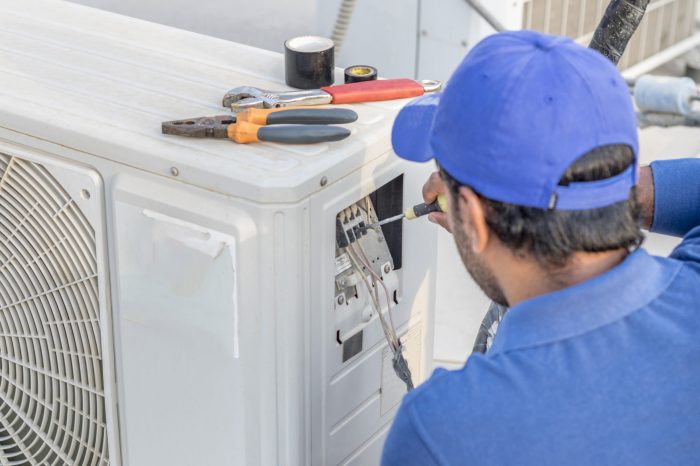
In conclusion, prioritizing AC service and maintenance is not just about upkeep; it's about ensuring your system operates at its peak performance for years to come. By staying proactive with maintenance, you not only save on repair costs but also optimize energy efficiency.
Detailed FAQs
How often should AC systems be serviced?
It's recommended to service AC systems at least once a year to maintain optimal performance.
What are common indicators that AC service is needed?
Reduced cooling capacity, unusual odors, and strange noises are common signs that your AC system requires servicing.
Is there a difference in maintenance needs between residential and commercial AC units?
Yes, commercial HVAC systems typically require more frequent and comprehensive maintenance compared to residential units due to higher usage.