Optimizing Air Conditioner Performance: Repair and Maintenance Guide
Air conditioner repair and maintenance play a vital role in ensuring the efficiency and longevity of your cooling system. From simple maintenance tasks to understanding common issues, this guide covers everything you need to know to keep your air conditioner running smoothly.
Importance of Air Conditioner Maintenance

Regular maintenance is crucial for the longevity of an air conditioner. It helps ensure that the system runs efficiently, reducing energy consumption and extending the lifespan of the unit. Neglecting maintenance tasks can lead to a variety of consequences such as decreased cooling performance, higher energy bills, costly repairs, and even premature system failure.
Therefore, scheduling regular maintenance checks is essential to keep your air conditioner running smoothly.
Best Practices for Scheduling Maintenance Checks
- Annual Inspections: It is recommended to have a professional HVAC technician inspect your air conditioner at least once a year. This allows any potential issues to be identified and addressed before they escalate into major problems.
- Regular Filter Changes: One of the simplest maintenance tasks you can do is to regularly change or clean the air filters. Clogged filters restrict airflow, making the system work harder and reducing its efficiency.
- Cleaning Coils and Fins: Over time, the coils and fins of the air conditioner can accumulate dirt and debris, affecting the system's performance. Regular cleaning can help improve airflow and heat transfer.
- Checking Refrigerant Levels: Low refrigerant levels can indicate a leak in the system, which can lead to decreased cooling capacity and potential damage to the compressor. It is important to check and maintain proper refrigerant levels.
- Calibrating Thermostat: Ensuring that the thermostat is calibrated correctly helps maintain a comfortable indoor temperature and prevents the system from overworking.
Common Air Conditioner Issues
When it comes to air conditioners, there are several common issues that can arise, impacting the performance and efficiency of the unit. It is essential to be aware of these problems to address them promptly and avoid further damage.
1. Refrigerant Leaks
Refrigerant leaks are a common issue that can lead to reduced cooling capacity and increased energy consumption. To troubleshoot this problem, look for signs of oil or refrigerant residue around the AC unit. If you suspect a refrigerant leak, it is crucial to contact a professional technician for repair and recharge.
2. Frozen Evaporator Coils
Frozen evaporator coils can be caused by restricted airflow or low refrigerant levels. If you notice ice buildup on the coils, turn off the AC and allow them to thaw before checking the air filters and vents for blockages. Regularly cleaning and replacing air filters can prevent this issue from occurring.
3. Electrical Problems
Electrical issues such as faulty wiring, broken capacitors, or malfunctioning sensors can disrupt the functioning of the air conditioner. Before seeking professional help, check for tripped circuit breakers, loose connections, or worn-out components. Timely repairs can prevent electrical failures and ensure the proper operation of the unit.
4. Fan Malfunction
A malfunctioning fan can result in poor airflow and inadequate cooling. Inspect the fan blades for damage or debris buildup, and ensure that the motor is running smoothly. Regular maintenance, including lubricating moving parts and cleaning the fan blades, can prevent fan-related issues.
5. Clogged Drainage System
A clogged drainage system can cause water leakage and moisture buildup, leading to mold growth and foul odors. To troubleshoot this issue, check the condensate line for blockages and clean the drain pan regularly. Proper maintenance of the drainage system can prevent water damage and maintain indoor air quality.
DIY Maintenance Tips
Regular maintenance of your air conditioner is crucial to ensure it functions efficiently and lasts longer. Here are some simple tasks you can do yourself to keep your AC in top condition.
Cleaning Air Filters
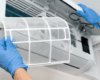
One of the most important maintenance tasks is cleaning or replacing your air filters regularly. Clogged filters can restrict airflow, making your AC work harder and less efficiently.
- Turn off the power to your AC unit before removing the filter.
- Check your filter every month and clean or replace it as needed.
- Use a vacuum cleaner or gentle soap and water to clean reusable filters.
- Make sure the filter is completely dry before reinserting it into the unit.
Cleaning Vents and Coils
Dirty vents and coils can also affect the performance of your air conditioner. Regular cleaning can improve airflow and energy efficiency.
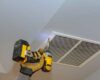
- Remove debris and dust from vents using a vacuum or a soft brush attachment.
- Gently clean the evaporator and condenser coils with a coil cleaner or a mixture of water and mild detergent.
- Rinse the coils with water and let them dry completely before turning on the AC.
Safety Precautions
When performing DIY maintenance on your air conditioner, it's essential to prioritize safety to prevent accidents or damage to the unit.
- Always turn off the power to the unit before starting any maintenance tasks.
- Wear protective gear like gloves and goggles to avoid injuries from sharp edges or cleaning chemicals.
- Avoid using harsh chemicals or abrasive materials that can damage the unit's components.
- If you're unsure about any maintenance task, it's best to contact a professional HVAC technician for assistance.
Professional Repair Services
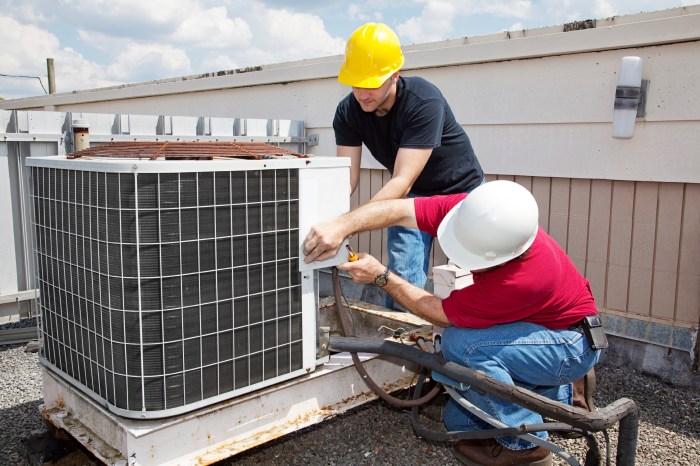
When it comes to repairing your air conditioner, you may be torn between attempting a DIY fix or hiring a professional technician. While DIY repairs can be cost-effective, there are several benefits to opting for professional repair services.
Benefits of Hiring Professional Technicians
- Expertise: Professional technicians have the knowledge and experience to diagnose and fix complex air conditioner issues efficiently.
- Time-saving: Professionals can quickly identify the problem and provide a solution, saving you time and hassle.
- Quality work: Professional repairs are often more durable and reliable compared to DIY fixes, ensuring long-term functionality.
- Safety: HVAC systems can be dangerous to work on without proper training, so hiring a professional reduces the risk of accidents or injuries.
Choosing a Reliable Air Conditioner Repair Service
When selecting a repair service for your air conditioner, it is essential to consider certain factors to ensure quality and reliability.
- Reputation: Look for reviews and testimonials from previous customers to gauge the reputation of the repair service.
- Certifications: Check if the technicians are certified and have the necessary qualifications to work on air conditioning systems.
- Experience: Choose a repair service with a proven track record and years of experience in the industry.
- Warranty: Opt for a repair service that offers warranties on their work to guarantee customer satisfaction.
Importance of Certifications and Qualifications
Certifications and qualifications play a crucial role in ensuring that the repair service you choose meets industry standards and can effectively repair your air conditioner.
- Certifications indicate that technicians have undergone training and have the knowledge to handle various air conditioning issues.
- Qualifications demonstrate that the repair service is equipped to provide professional and reliable repairs, giving you peace of mind.
- Choosing a certified and qualified repair service can prevent further damage to your air conditioner and ensure optimal performance in the long run.
Cost of Repair and Maintenance
Regular maintenance of your air conditioner is essential to ensure its longevity and efficiency. However, it is also important to understand the costs associated with repairs and maintenance to budget and plan accordingly.Explain how regular maintenance can help reduce long-term repair expenses:
Benefits of Regular Maintenance
Regular maintenance, such as cleaning filters, coils, and checking for leaks, can prevent major issues that may require costly repairs down the line. By addressing minor problems early on, you can avoid more significant malfunctions that can be expensive to fix.
Typical Costs of Repair and Maintenance
- Annual maintenance service: $100-$300
- Replacing air filters: $10-$100 depending on type
- Repairing refrigerant leaks: $200-$1,500
- Fixing compressor issues: $1,500-$2,500
- Replacing the entire unit: $3,000-$7,000
Tips for Budgeting and Planning
- Set aside a portion of your monthly budget for air conditioner maintenance to avoid unexpected expenses.
- Consider investing in a maintenance plan with a professional HVAC company for regular check-ups and service.
- Keep track of the age and condition of your air conditioner to anticipate when repairs or replacements may be necessary.
Conclusion
In conclusion, regular maintenance and timely repairs are key to extending the lifespan of your air conditioner and avoiding costly issues down the road. By following the tips and guidelines provided in this guide, you can ensure your cooling system operates at its best.
Query Resolution
How often should I schedule maintenance for my air conditioner?
It is recommended to schedule maintenance at least once a year to ensure optimal performance.
What are some common signs that indicate my air conditioner needs repair?
Unusual noises, weak airflow, and inconsistent cooling are common indicators that your air conditioner may need repairs.
Can I clean air filters on my own, or should I hire a professional?
Homeowners can clean air filters themselves by following manufacturer guidelines, but for thorough cleaning, professional services are recommended.
How can regular maintenance help in reducing long-term repair costs?
Regular maintenance helps in identifying small issues early on, preventing them from turning into major problems that require expensive repairs.